
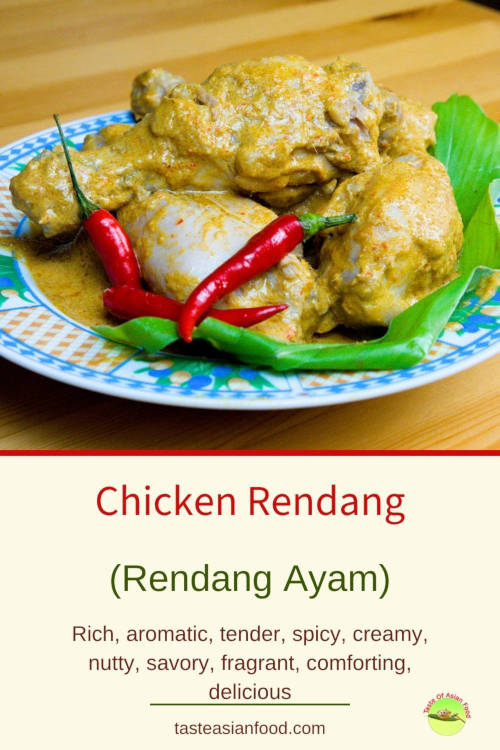
Chicken Rendang is a Malaysian favorite made by slowly cooking chicken with a fragrant spice paste, coconut milk, whole spices and kerisik. The gravy is thick and aromatic, with a distinctive nutty flavor from the toasted coconut.
For this version, I use chicken drumsticks because they are meaty and look good when served. I also prefer making kerisik from freshly grated coconut, although ready-made kerisik is a convenient alternative if you want to save time.
Let me show you how I make this Malaysian Chicken Rendang.
Content
Note: Click any item to jump straight to that part of the post.
Note: This post may contain affiliate links. Please read my privacy policy for more info. I may receive commissions for purchases made through links in this post. As an Amazon Associate, I earn from qualifying purchases.
Why This Recipe Works
- Meaty chicken drumsticks: Drumsticks have plenty of meat and hold their shape well during simmering. Their shape also makes the rendang look good when served.
- A fragrant spice paste: Fresh red chilies, dried chilies, ginger, galangal and lemongrass create the distinctive aroma and flavor of the rendang.
- Freshly made kerisik: Toasted grated coconut adds a nutty flavor and helps thicken the gravy.
- A well-balanced gravy: Coconut cream gives the gravy its richness, while tamarind adds sourness and palm sugar provides a touch of sweetness.
Ingredients Breakdown
Chicken
I use chicken drumsticks for this recipe because they are meaty and easy to serve individually. I season them with salt before cooking and leave them for 2 hours so the chicken has time to absorb the seasoning.
Aromatics and chilies
Ginger, galangal and lemongrass give the rendang paste its distinctive aroma. I use both fresh red chilies and dried chilies because each brings a different flavor to the paste. Removing the seeds helps reduce the heat.
Coconut and kerisik
Coconut cream gives the gravy its richness. Kerisik is made by toasting grated coconut until lightly brown, then grinding it into a fine texture. It adds a nutty aroma, gives the gravy a deeper color and helps thicken it.
I prefer making kerisik from freshly grated coconut, but ready-made kerisik is a convenient alternative when fresh coconut is not available or when you want to save time.
Whole spices and seasonings
Cinnamon, star anise and cloves give the rendang a warm, fragrant aroma. Asam keping adds sourness, which is balanced by the palm sugar. Turmeric leaf contributes another layer of distinctive aroma to the gravy.
How to Prepare Everything Before Cooking
Season the chicken
Rub the salt evenly over the chicken drumsticks. Cover and leave them to marinate for 2 hours so the chicken has time to absorb the seasoning.
Prepare the kerisik
If making kerisik from scratch, heat about 1 tablespoon of vegetable oil in a clean pan. Add the freshly grated coconut and toast it over low heat for about 10 minutes, stirring continuously. As it heats, the coconut will release some of its own oil. Keep stirring to prevent it from sticking to the pan or burning.
Stop when the coconut turns light brown. Let it cool, then blend until fine. The kerisik is now ready to use. If you prefer a shortcut, you can use ready-made kerisik instead.
Prepare the chilies
Cut the dried chilies in half and remove the seeds. Boil them for a few minutes until softened, then drain. This also helps wash away any dirt. Remove the seeds from the fresh red chilies and cut them into smaller pieces.
Prepare the aromatics
Cut the ginger and galangal into small pieces. Slice the lemongrass into short sections to make blending easier. If you prefer not to blend the lemongrass, bash the stalks and simmer them whole in the gravy instead. Remove them before serving.
Blend the paste
Put the ginger, galangal, lemongrass, fresh red chilies and softened dried chilies into a blender. Add a little water and blend for about 5 minutes until you get a smooth, fine paste. Add water gradually if necessary to help the blender work.
Prepare the remaining ingredients
Measure the coconut cream, cinnamon bark, star anise, cloves and palm sugar. Prepare the turmeric leaf and asam keping so everything is ready to go into the wok.
The complete ingredient quantities and measurements are provided in the recipe card below.
Step-by-Step Cooking Instructions
1. Cook the rendang paste
Heat about ¼ cup of vegetable oil in a wok or large heavy-bottomed skillet. Add the blended paste and cook over low heat, stirring continuously so it does not stick to the bottom.
Cook for about 5 to 10 minutes. As the water evaporates, the paste will reduce in volume, become thicker and turn a darker color. This is the stage to look for before adding the chicken.
Because this recipe uses less oil, you may not see much oil separating from the paste. That is normal.
2. Add the chicken and other ingredients
Add the marinated chicken drumsticks, coconut cream, some water, cinnamon bark, star anise, cloves, asam keping, palm sugar and turmeric leaf. Stir gently to distribute the paste around the chicken.
3. Simmer until the chicken is cooked
Bring the mixture to a gentle simmer, then lower the heat. Cook for about 20 minutes, turning the drumsticks occasionally so they cook evenly.
Keep an eye on the liquid. If the gravy becomes too thick or starts drying out before the chicken is cooked, add a little hot water.
Check the internal temperature at the thickest part of the chicken, without touching the bone. It should reach 74°C. Taste the gravy and adjust the seasoning if necessary.
4. Add the kerisik
Add the kerisik and stir it into the gravy. Continue cooking over low heat for another 10 minutes, allowing the coconut to thicken the sauce and blend into the rendang.
The Chicken Rendang is ready when the chicken is tender and the gravy has thickened around the pieces.
A Few Tips From My Kitchen
Give the rendang time to rest
If you are not serving the rendang immediately, let it cool slightly, then refrigerate it promptly. You can leave it in the refrigerator overnight and reheat it thoroughly before serving. I find that the flavors become more pronounced after resting, as the seasoning and spices have more time to work their way into the chicken.
Toast the coconut slowly
When making kerisik, use low heat because freshly grated coconut can burn quickly as it dries out. Stir continuously and stop when it turns light brown. I prefer this lighter color to the much darker kerisik found in some commercial products.
Blend the paste until fine
Cutting the ginger, galangal and lemongrass into smaller pieces before blending makes the job easier. I blend the aromatics for about five minutes to get a smooth, fine paste.
Watch the paste, not just the clock
The paste usually takes about 5 to 10 minutes to cook, but its appearance is a better guide than the cooking time alone. Look for a reduction in volume, a thicker texture and a darker color. Because this recipe uses less oil, you may not see much oil separating from the paste. That is perfectly normal.
Keep some hot water nearby
The gravy can reduce while the chicken is simmering. If it becomes too thick or starts drying out before the chicken is fully cooked, add a little hot water and continue simmering.
Common Mistakes to Avoid
Toasting coconut over high heat
High heat can brown the coconut too quickly on the outside while the rest is still not evenly toasted. It can also burn easily as it dries out. Use low heat and stir continuously until the coconut turns an even light brown.
Leaving the paste too coarse
Large pieces of ginger, galangal, and lemongrass can leave the rendang paste uneven in texture. Cut the ingredients into smaller pieces before blending, and blend until the paste is fine and smooth.
Allowing the paste to stick
The blended paste contains water, which gradually evaporates as it cooks. As the paste thickens, it can stick to the bottom of the wok more easily. Keep the heat low and stir continuously to prevent this.
Letting the gravy dry out too soon
The chicken needs enough time to cook through. If the gravy becomes too thick or starts drying out before the chicken reaches an internal temperature of 74°C, add a little hot water and continue simmering until the chicken is cooked.
Variations
- Use ready-made kerisik: If fresh grated coconut is not available or you want to save time, use 1 cup of ready-made kerisik instead of making it from scratch.
- Use chicken thighs: You can replace the drumsticks with chicken thighs. Choose pieces of a similar size so they cook at roughly the same rate.
- Adjust the chili heat: You can increase or reduce the amount of chilies to suit your taste. Keep in mind that fresh red chilies and dried chilies contribute different flavors to the rendang, so adjusting the quantity of each will also affect the overall flavor.
More Recipes to Try
Nasi Minyak– This fragrant rice is a lovely accompaniment to Chicken Rendang. Its flavor goes well with the rich coconut gravy.
Nasi Lemak – Nasi Lemak is another Malaysian rice favorite. Enjoy it with Chicken Rendang and your favorite accompaniments for a satisfying Malaysian meal.
Malaysian Vegetable Curry – If you are planning a Malaysian meal, this vegetable curry is another dish to consider. It adds variety to the meal and gives you another way to enjoy Malaysian flavors.
Quick Takeaways
This Malaysian Chicken Rendang is inspired by the traditional dry rendang, which is cooked until most of the gravy has evaporated. My version keeps some thick coconut gravy, making it especially enjoyable with a plate of rice.
If you would like to try a drier, more traditional Indonesian-style rendang, have a look at my Beef Rendang recipe. It follows that cooking style more closely, with the gravy reduced until very little remains.
Whether you prefer Chicken Rendang with some gravy or the drier style of Beef Rendang, I hope you enjoy trying both versions in your own kitchen!
Chicken Rendang Recipe
This recipe is specially written to explain how to prepare the Malaysian style chicken rendang. Here is a detailed explanation of how to cook Malaysian chicken rendang.
Ingredients
Chicken
- 1 kg chicken drumsticks
- 1 tbsp (15 g) salt
Rendang Paste
- 60 g ginger
- 60 g galangal
- 3 stalks lemongrass
- 10 g (about 10 pieces) dried chilies
- 80 g fresh red chilies
- Water, as needed for blending
Kerisik
- 1 cup (85 g) freshly grated coconut
- 1 tbsp vegetable oil, for toasting
Other Ingredients
- 1 cup (250 ml) coconut cream
- 1 piece cinnamon bark (about 5 cm)
- 1 star anise
- 4 cloves
- 15 g palm sugar
- 1 piece asam keping
- 1 turmeric leaf
- ¼ cup vegetable oil, for cooking the paste
- Hot water, as needed during simmering
Instructions
- Rub the salt evenly over the chicken drumsticks. Cover and leave to marinate for 2 hours.
- Cut the dried chilies in half and remove the seeds. Boil for a few minutes until softened, then drain. Remove the seeds from the fresh red chilies. Cut the ginger, galangal and lemongrass into smaller pieces.
- Blend the ginger, galangal, lemongrass, fresh red chilies and softened dried chilies with a little water until very fine, about 5 minutes.
- To make the kerisik, heat 1 tablespoon of vegetable oil in a pan over low heat. Add the grated coconut and toast for about 10 minutes, stirring continuously, until light brown. Let it cool, then blend until fine.
- Heat ¼ cup of vegetable oil in a wok. Add the blended rendang paste and cook over low heat for 5 to 10 minutes, stirring continuously, until it reduces in volume, thickens and darkens.
- Add the marinated chicken, coconut cream, some water, cinnamon bark, star anise, cloves, asam keping, palm sugar and turmeric leaf. Stir gently to coat the chicken.
- Bring to a gentle simmer, then lower the heat. Cook for about 20 minutes, turning the drumsticks occasionally. Add a little hot water if the gravy becomes too thick or starts drying out before the chicken is cooked. Check that the thickest part of the chicken reaches an internal temperature of 74°C. Taste and adjust the seasoning if necessary.
- Add the kerisik and stir it into the gravy. Continue cooking over low heat for another 10 minutes, until the gravy thickens around the chicken.
Recommended Products
As an Amazon Associate and member of other affiliate programs, I earn from qualifying purchases.
-
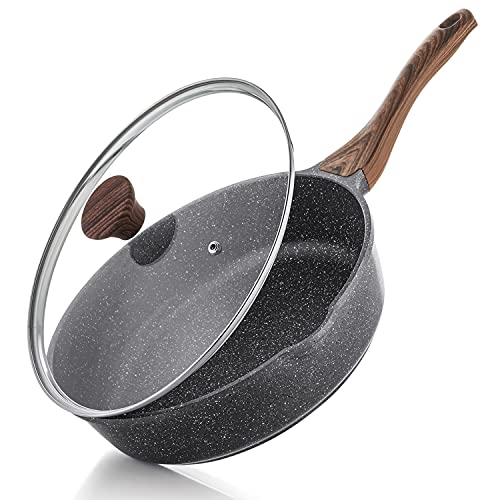 SENSARTE Nonstick Skillet, Deep Frying Pan 10/11/12-inch, Saute Pan with Lid, Stay-cool Handle, Healthy Stone Cookware Cooking Pan, Induction Compatible (10-Inch/3.5QT)
-
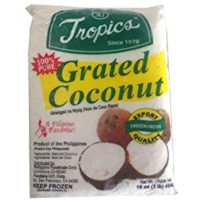 Frozen Grated Coconut - 16oz (Pack of 3)
-
 Native Forest Organic Classic Coconut Milk, 13.5 Ounce Cans (Pack of 12),Packaging may Vary
Nutrition Information:
Yield: 3 Serving Size: 3 servingsAmount Per Serving: Calories: 1678Total Fat: 94gSaturated Fat: 47gUnsaturated Fat: 47gCholesterol: 427mgSodium: 2966mgCarbohydrates: 131gFiber: 14gSugar: 91gProtein: 87g
This data was provided and calculated by Nutritionix on 11/18/2026
In your recipes you frequently mention chili, …but you don’t say whether it is sweet pepper or hot pepper you are referring to. For instance in your “chicken rendang” paste recipe you cite 10 dry chilis and 80 g fresh red chili. Are they hot or sweet?
In Malaysia we only use the red hot chili, not the sweet type, for this recipe. You can reduce the amount if you find it too spicy.
Hi Mr Kwan, can I use dried chilis to replace the fresh chilis as they are not available in my area? If so, how much do you advise me to use? Thanks in advance for your reply:)
Hi Dorothy,
Dry chilies are spicier than fresh ones, so you may want to reduce the amount slightly. Also, you can cut them into short sections and remove the seeds to reduce the spiciness. Soak in water for 30 minutes until they are soft before blending them into a paste.
Could you make more of the paste and freeze it to use another time?
Hi Victoria,
Yes. I have done that before and keep it in the freezer. No problem.
KP Kwan